research
I develop representations, process and material models, algorithms, and compilers that connect what an object should do to how a machine builds it. In this approach, a designer states the properties an object should have, such as a hardness, a stiffness, or a color, as volumetric, functionally graded fields, and compilers work out the materials, process settings, and toolpaths each printer needs. Because the design stays in terms of intent, it can target different printers and adapt as requirements change. Combined with simulation and optimization, this lets engineers create complex objects that combine several functions in a single print.
- High-level intent A designer states what the object should do
- 1 Representing physical intent Volumetric, functionally graded property fields
- 2 Compiling intent to fabrication Process and material models encode fabrication knowledge
- 3 Building functional objects Complex, multi-function printed parts
Simulation and optimization feed results back into the design.
Representing physical intent
Designs as programs that carry geometry together with the properties an object should have, so the same design can be analyzed, adapted, and built in different ways.
-
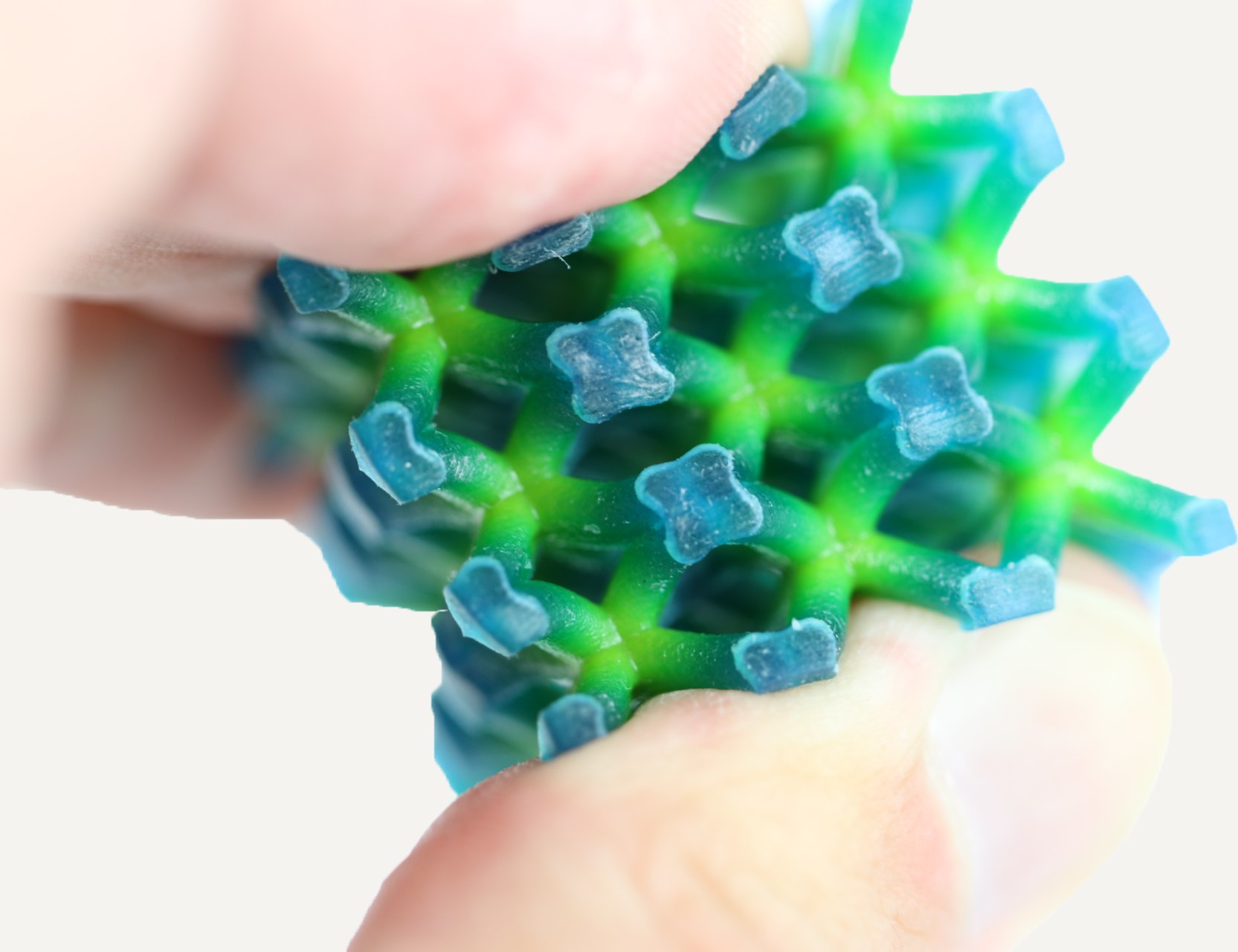
Multi-material Design
An open-source Python library for designing objects whose geometry and material properties vary from point to point, and compiling them for 3D printing and simulation.
Read more → -
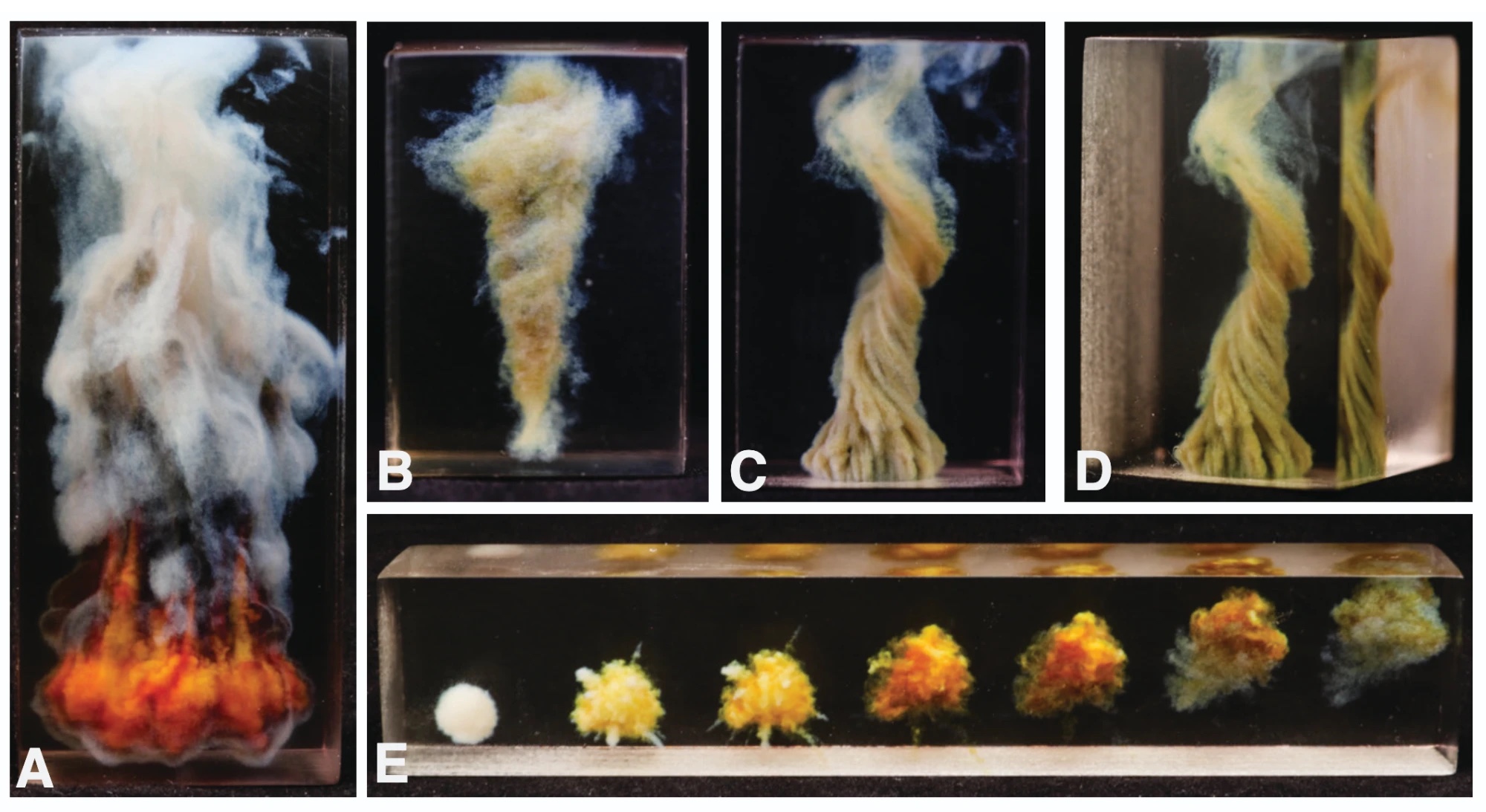
Design-intent compilation
Designs that state what an object should do, compiled into the materials and process settings each printer needs.
Read more → -
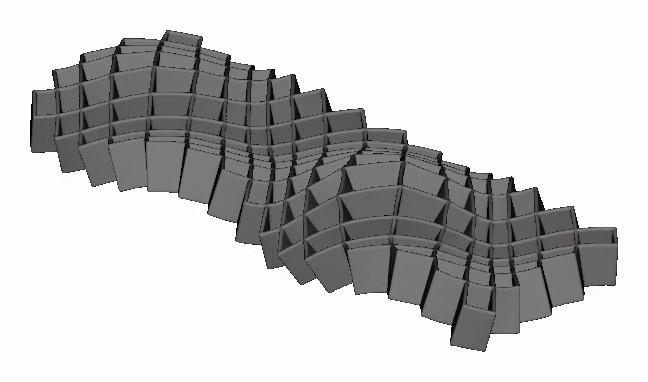
Programmable lattice design
Open-source Python tools for building conformal, graded, and multi-material lattices that can be scripted, simulated, and printed.
Read more →


Compiling intent to fabrication
Turning those designs into machine instructions that respect how printers actually behave, from graded toolpaths to the settings of existing slicers.
-
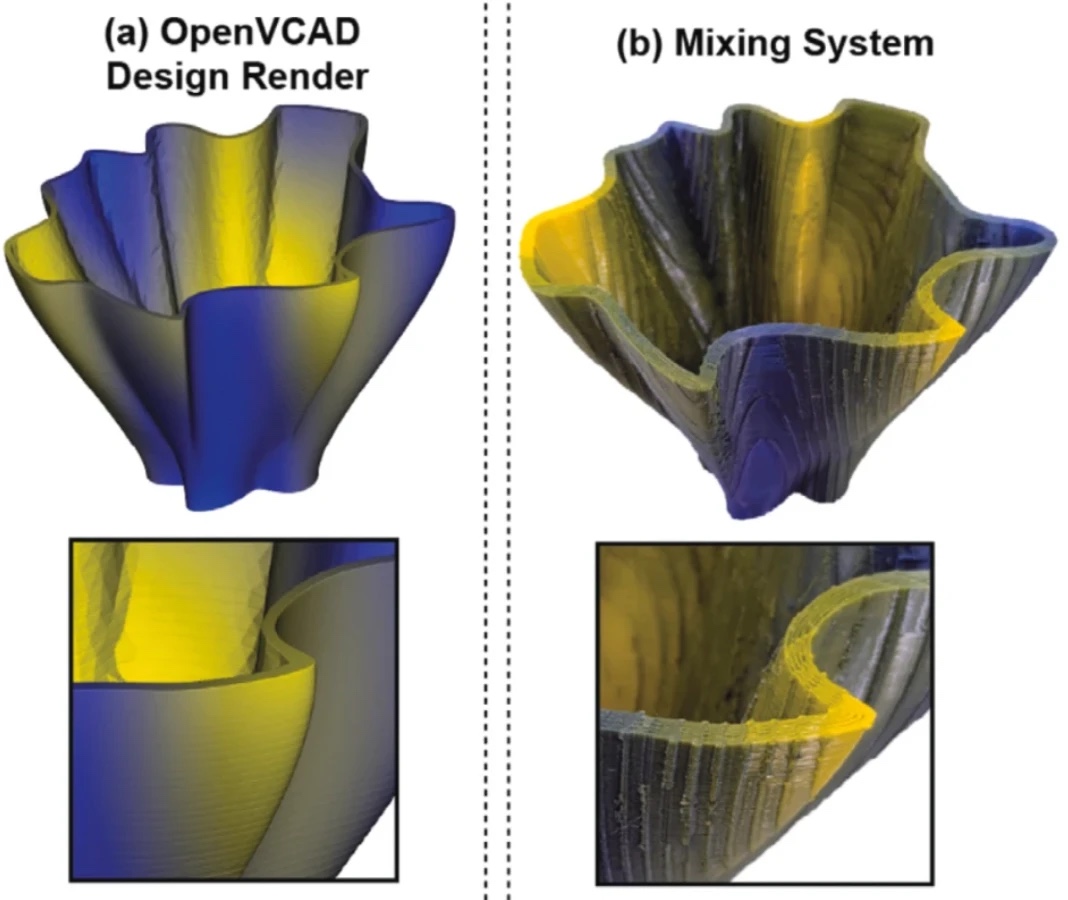
Gradient-informed toolpaths
Toolpaths that follow material gradients, so material-extrusion printing can build parts whose composition varies continuously in any direction.
Read more → -
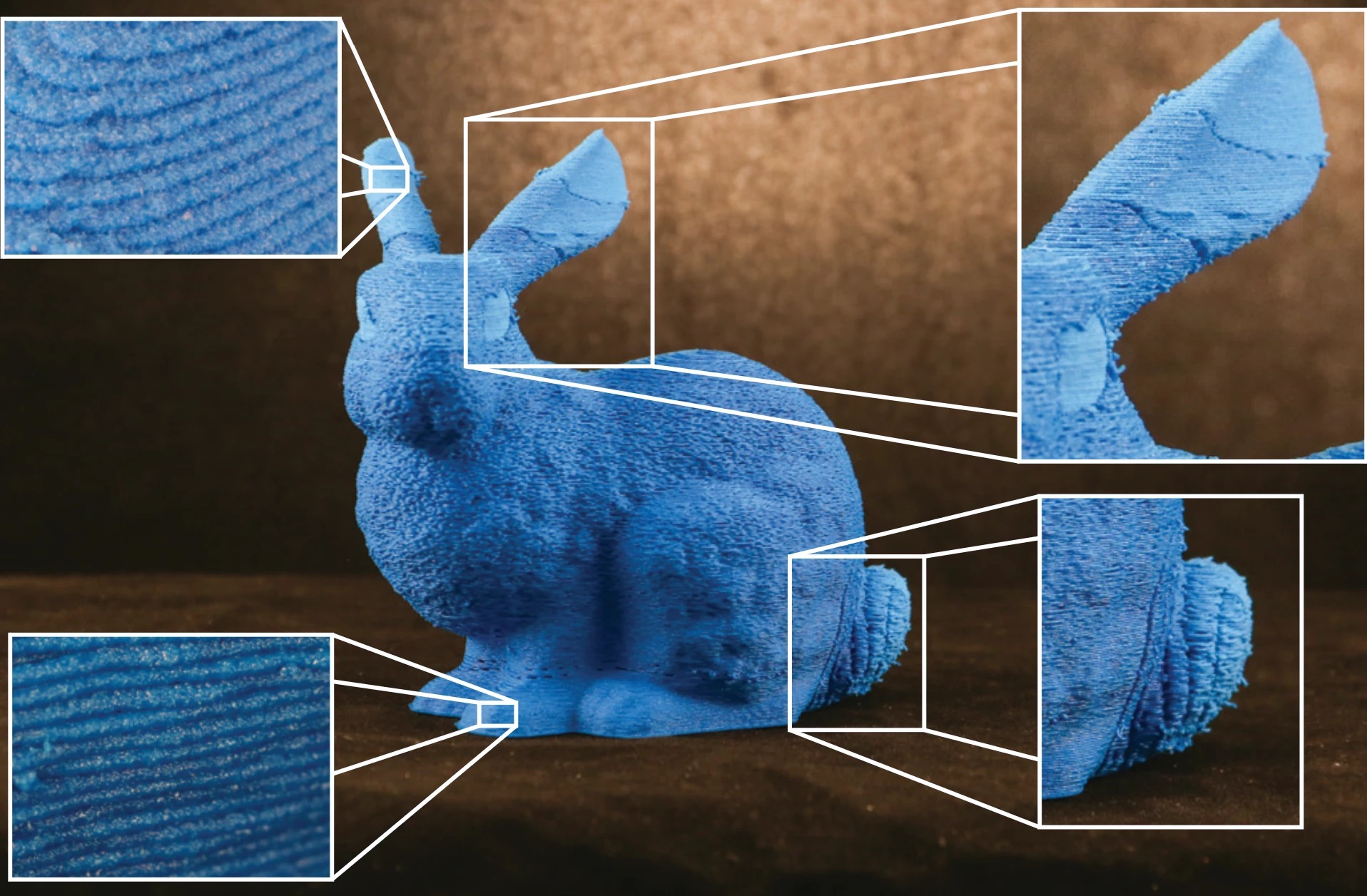
Grading the slicing process
Toolpath planning and printer settings that vary continuously through a part, compiled into ready-to-slice projects for the slicers people already use.
Read more → -
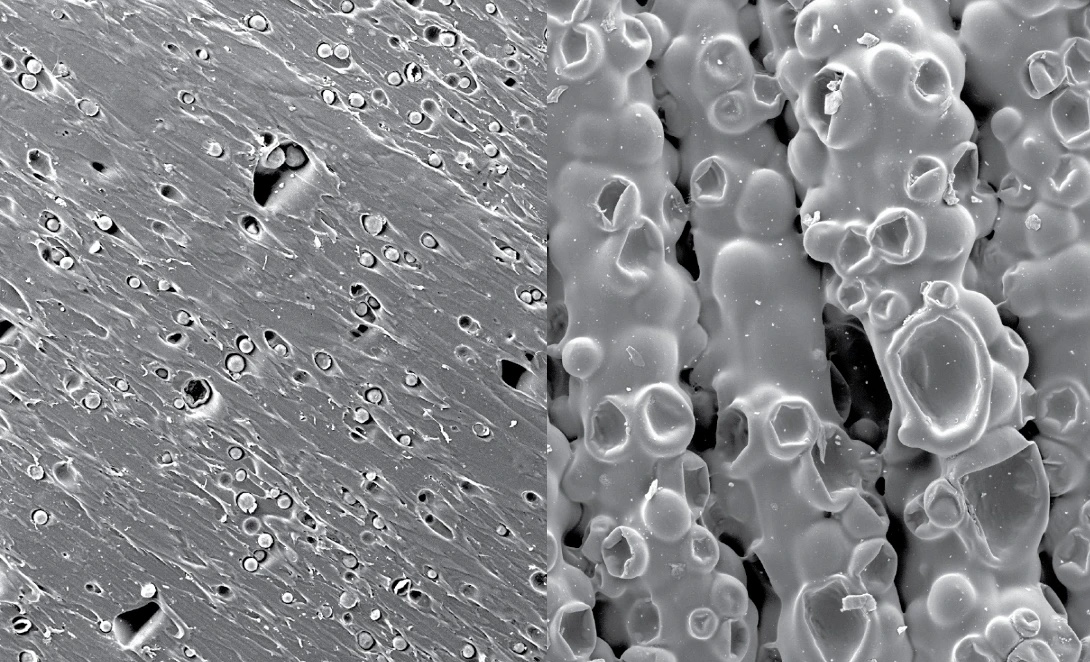
Process modeling and control
Functionally graded, intent-driven design needs calibrated process models and controls, not only material models, so a designer can ask for a density, hardness, or stiffness and get the process settings that produce it.
Read more → -
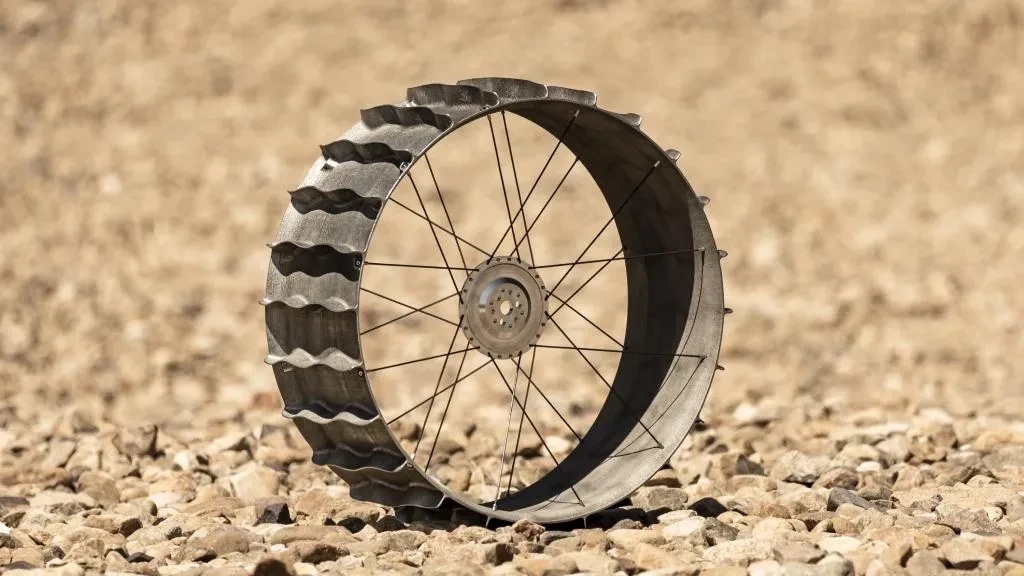
Toolpath planning for experimental printers at ORNL
Slicing and toolpath-planning methods that let Oak Ridge National Laboratory's experimental printers, from large-scale extrusion to multi-laser metal powder bed fusion, build parts that conventional slicers could not.
Read more →


Building functional objects
Applications where these methods produce parts that do something: absorb impacts, train clinicians, or move.
-
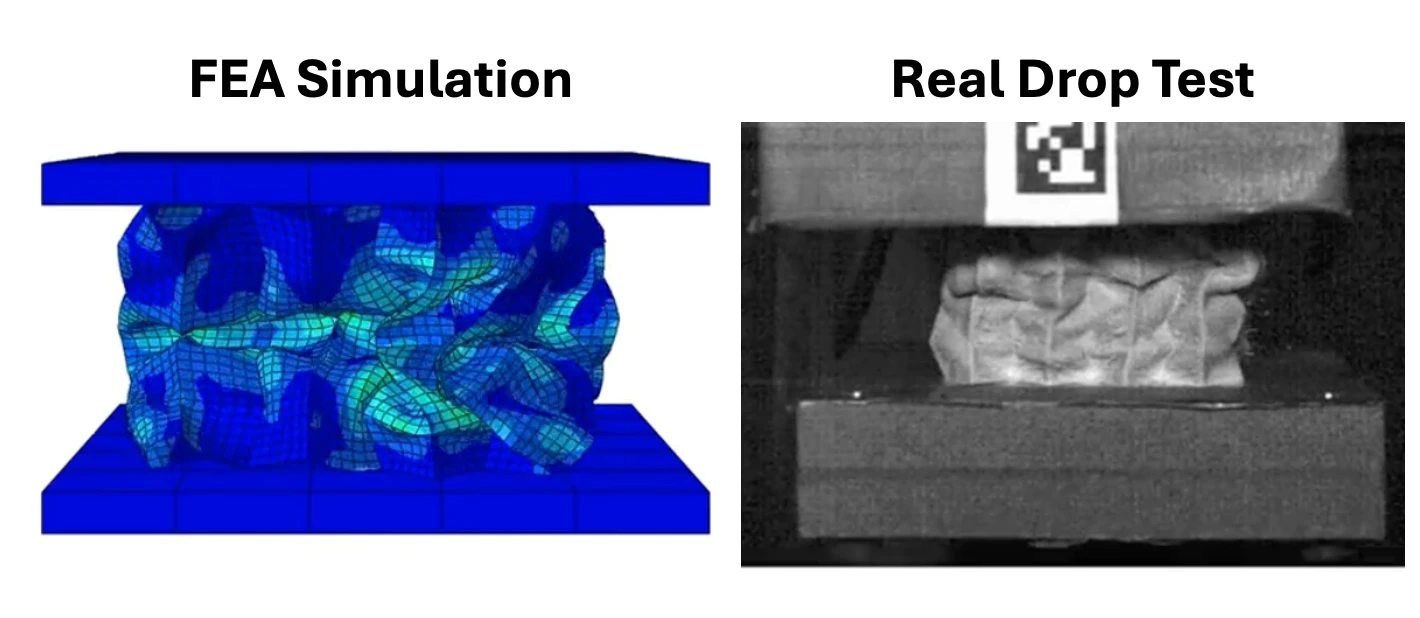
Impact-absorbing plate lattices and helmet liners
Plate lattices and 3D-printed helmet liners designed by simulation and optimization to absorb impacts across a range of energies, now being commercialized by the startup Fortifyd.
Read more → -
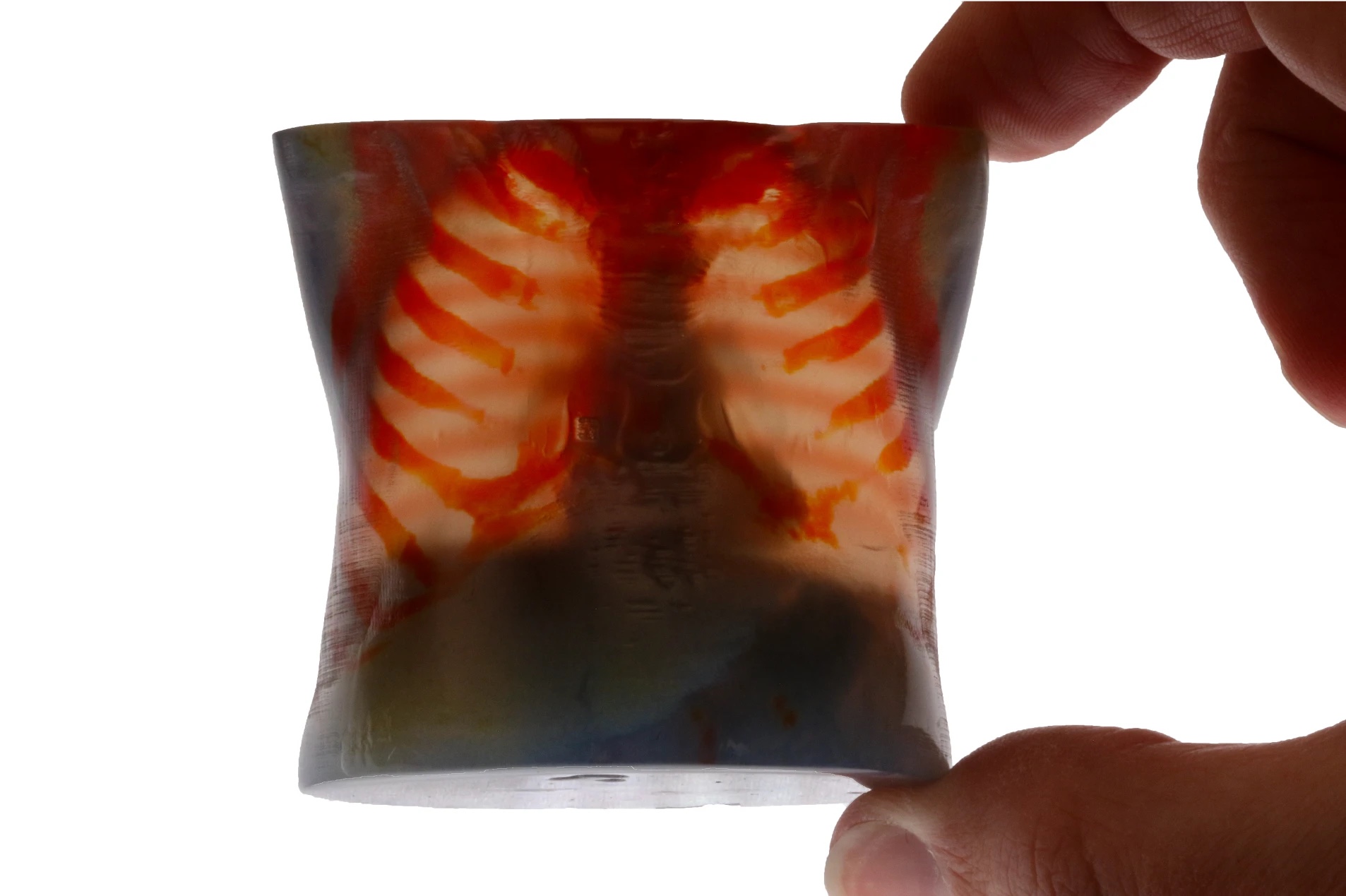
Medical models and CT phantoms
Presurgical planning and training models printed directly from CT and MRI scans, with realistic appearance and feel and no manual segmentation.
Read more → -
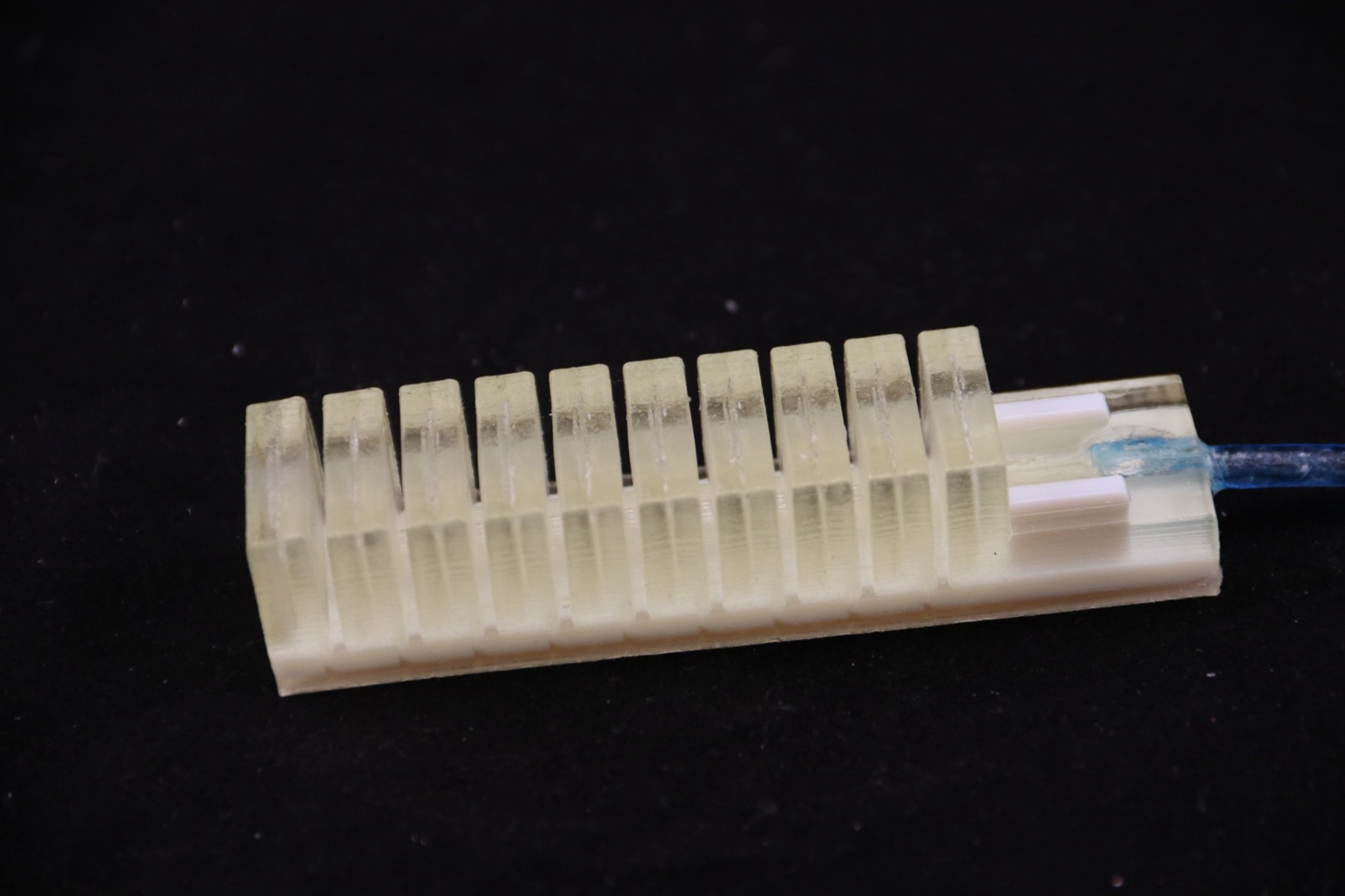
Soft pneumatic actuators
Print-in-place soft actuators with embedded skeletons, and a differentiable simulator for designing actuators by gradient-based optimization.
Read more →


